The History and Evolution of Hot Rod Culture in the USA
There’s something undeniably cool about a hot rod. It’s more than a fast car with a flashy paint job—it’s a symbol of rebellion, creativity, and craftsmanship. Born from humble beginnings and backyard garages, hot rod culture in the USA has grown into a nationwide phenomenon that blends performance, style, and personal expression.
At Grumpy’s Hot Rod & Auto Repair in Yuba City, hot rods aren’t just a niche—they’re a way of life. But how did this culture evolve from post-war America to the high-powered custom builds we see today? Let’s take a ride through the history of hot rod culture in the United States.
The Birth of Hot Rodding: 1930s–1940s
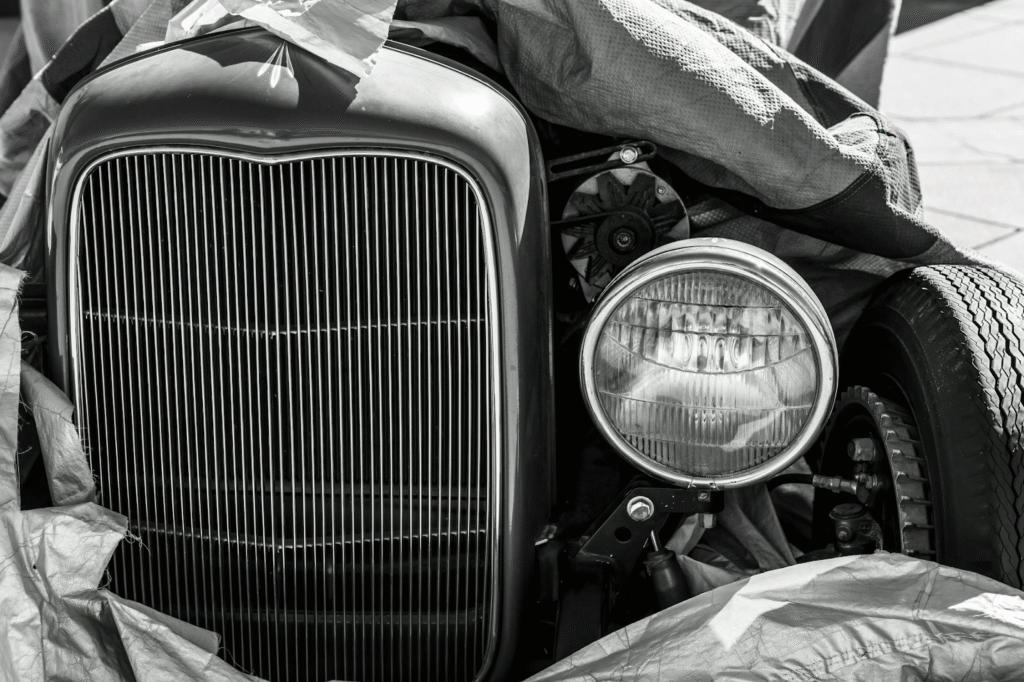
The roots of hot rod culture can be traced back to Southern California in the 1930s. During the Great Depression, young gearheads began modifying old Model Ts and Model As—cars that were cheap and easy to find in junkyards. The goal? Strip them down to the essentials, shed weight, and add whatever power they could find.
This early form of hot rodding wasn’t about flashy finishes or pristine interiors. It was about speed and innovation. Young enthusiasts raced their homebuilt machines on dry lake beds in the Mojave Desert, pushing limits and learning by doing.
By the 1940s, hot rodding had become more organized, especially after World War II. Many returning veterans brought home mechanical knowledge from the military, as well as a thirst for adrenaline and hands-on work. The post-war era also meant more access to parts, better tools, and extra money to spend on hobbies. Hot rodding exploded in popularity—and became a permanent fixture in American car culture.
The 1950s: From Rebels to Rockstars
If the 1940s were the roots, the 1950s were the launchpad. The term “hot rod” became widely recognized, and young men across the country started modifying cars in driveways and garages. While some built their rods for racing, others focused on style—introducing custom paint jobs, chopped tops, lowered suspensions, and chrome details that made these cars pop.
This was also the era when hot rods started to appear in movies, music, and magazines. Films like Rebel Without a Cause and American Graffiti glorified the rebellious spirit of youth behind the wheel. Car clubs were formed, and local drag strips offered a safer and more organized place to race.
Organizations like the National Hot Rod Association (NHRA) helped steer hot rod culture away from street racing and into legitimate motorsport. The NHRA’s drag racing events turned hot rodding into a competitive and respected sport, creating a foundation that still thrives today.
The 1960s–70s: Muscle Cars and Custom Dreams
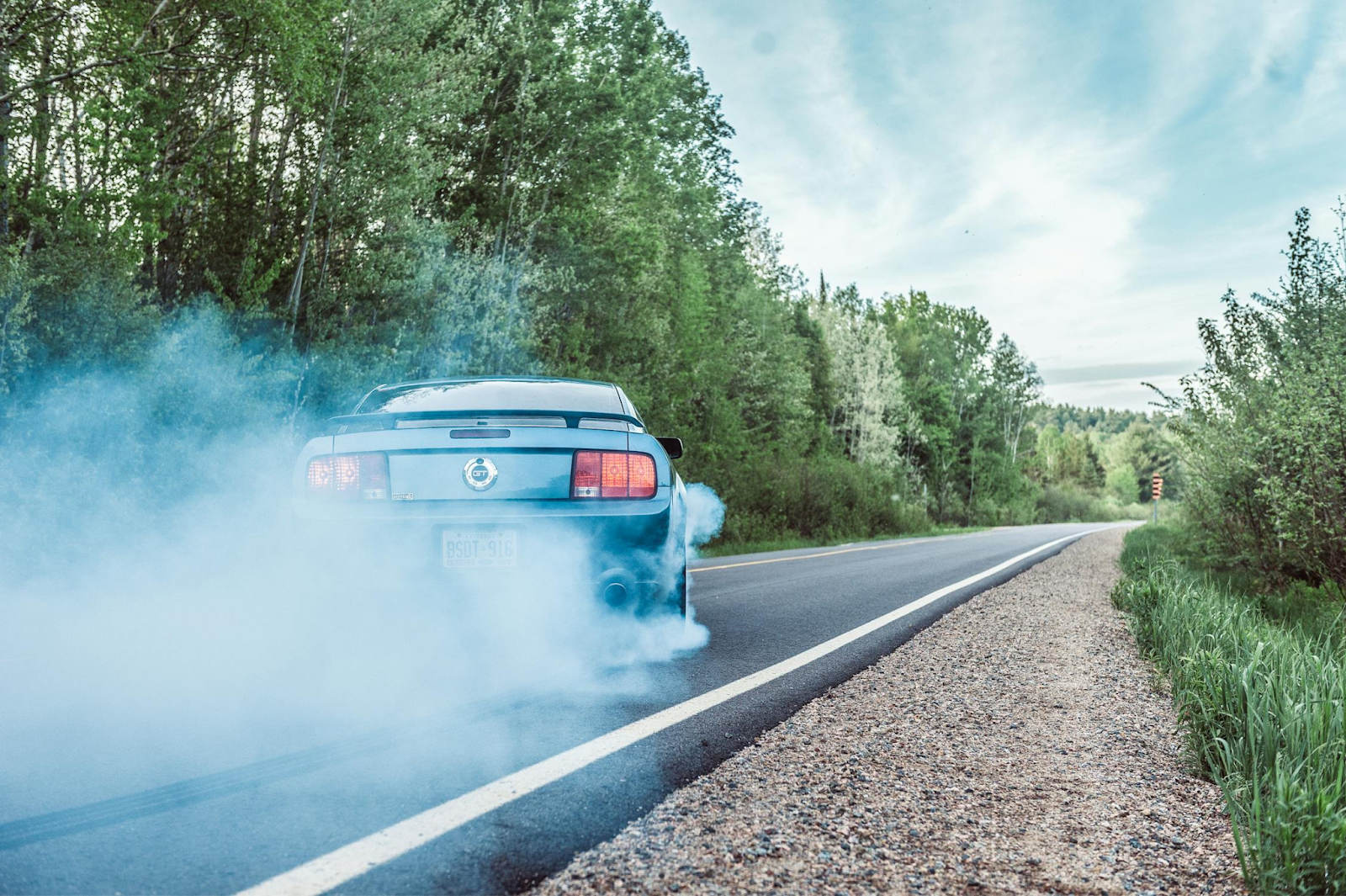
While hot rods began with pre-war Fords, the 1960s introduced a new beast into the scene: the American muscle car. Factory-built muscle machines like the Ford Mustang, Chevrolet Camaro, Pontiac GTO, and Dodge Charger delivered hot rod-level performance right off the showroom floor.
For many, this era blurred the line between factory muscle and custom hot rods. Some enthusiasts kept modifying older cars, while others turned to newer muscle cars as their base for custom builds. Either way, performance remained the name of the game.
At the same time, the custom car movement hit its peak. Builders like Ed “Big Daddy” Roth pushed the limits of design with wild fiberglass bodies and outrageous paint schemes. Cars became rolling pieces of art, showcasing a mix of power and personality.
The 1980s–90s: Nostalgia Meets Innovation
By the 1980s, hot rod culture began to shift. While some younger drivers gravitated toward imports and newer tech, a wave of nostalgia brought many enthusiasts back to their roots. Restorations of ’32 Fords and ’55 Chevys gained popularity, and a new generation of builders began honoring the past while embracing modern upgrades.
Technology also played a role. Fuel injection, disc brakes, better suspension systems, and improved tires helped bring classic hot rods into the modern era. Builders could now blend old-school style with new-school reliability and performance.
Car shows and swap meets became staples in the community. Events like Back to the 50’s and Hot August Nights created places for hot rod lovers to gather, share stories, and show off their work. The community became stronger, more connected, and more diverse.
2000s–Present: The Rise of Restomods and Revival
Today’s hot rod scene is a blend of tradition and technology. While there’s still a huge market for restoring classics, many builders are embracing “restomods”—vehicles that maintain vintage looks but are equipped with modern powertrains, brakes, and electronics. A ’40s Ford with a touchscreen dash, LS engine, and Bluetooth? That’s the new standard for many.
What hasn’t changed is the spirit. Whether you’re hand-building a rat rod in your garage or commissioning a high-end custom build, hot rodding remains a deeply personal endeavor. It’s about craftsmanship, pride, and the joy of driving something that’s entirely yours.
Social media and online communities have brought builders from across the country together like never before. YouTube channels, Instagram pages, and Facebook groups now serve as digital garages where people share builds, tips, and inspiration.
Hot Rod Culture in Yuba City: Fueled by Passion at Grumpy’s
At Grumpy’s Hot Rod & Auto Repair, that passion for hot rods lives and breathes every single day. Founded in 2018 by a lifelong car enthusiast, Grumpy’s was built on the kind of hands-on experience that mirrors the roots of hot rod culture itself. From rebuilding engines to performing custom suspension work, our shop is dedicated to helping car lovers bring their vision to life.
Whether you’re bringing in a street rod for a tune-up or planning a full-frame-off restoration, we approach every project with precision and pride. Our ASE-certified team specializes in performance upgrades, engine swaps, custom exhaust systems, and transmission rebuilds—all tailored to make your ride not just run, but roar.
We get it—hot rodding isn’t just a hobby. It’s a lifestyle. And at Grumpy’s, we’re proud to be part of a tradition that’s been roaring down American roads for nearly a century.
Why It Still Matters
Hot rod culture isn’t just about speed or horsepower—it’s about expression, innovation, and community. It’s about taking something old and making it your own. It’s a celebration of engineering skill, artistry, and American grit.
Even as electric vehicles and AI-driven tech begin to shape the future of driving, hot rodding serves as a powerful reminder of where we’ve been—and what it means to truly connect with your car. It’s the smell of motor oil, the sound of a finely-tuned V8, and the feeling of pride when your custom build turns heads at a red light.
Related Posts
Why Regular Maintenance at Yuba City’s Grumpy’s Hot Rod Saves You Time & Money
When you’re busy balancing work, family, and everything in between, car maintenance can easily fall to the bottom of your to-do list. But neglecting routine auto care often leads to bigger problems down the road—both literally and financially. At Grumpy’s…
10 Signs Your Classic Car Needs Immediate Repairs
Owning a classic car is more than just transportation—it’s a connection to a bygone era of chrome, curves, and craftsmanship. But while these beauties turn heads at every stoplight, they can be demanding when it comes to upkeep. If you’re…
Top Accessories Every Hot Rod Owner Should Consider
Hot rods aren’t just cars—they’re statements. Rolling works of art. Pieces of your personality on wheels. Whether you’re cruising Main Street in your meticulously restored '68 Camaro or tuning a chopped Ford coupe for the next show, the joy of…