


7 Fleet Maintenance Mistakes (And How to Fix Your Clean Truck Check Compliance)

The rhythmic growl of a heavy-duty diesel engine is more than just noise: it’s the heartbeat of your business. When those pistons are firing and the turbo is whistling, money is moving. But there is a thin, greasy line between a fleet that runs like a top athlete and a collection of rolling liabilities waiting to break your bank.
Out here in Yuba City, we know that your trucks aren’t just machines; they are statements of your hard work and links to the local economy. Whether you’re hauling freight down Highway 99 or managing a local delivery route, your fleet needs to be a well-oiled machine. However, with California’s strict regulatory landscape: specifically the Clean Truck Check: the margin for error has vanished.
If you feel like you’re constantly “taming a wild stallion” just to keep your trucks on the road and compliant, you aren’t alone. At Grumpy’s Hot Rod & Auto Repair, we see it all. To help you stay ahead of the curve, we’ve broken down the seven most common fleet maintenance mistakes and, more importantly, how to fix them to ensure you never fail a compliance check again.
1. The “I’ll Do It Tomorrow” Trap: Skipping Preventive Maintenance
In the high-stakes world of fleet management, schedules get tight. It’s tempting to squeeze one more run out of a rig before bringing it in for service. But skipping or being inconsistent with preventive maintenance (PM) is the fastest way to turn a “rolling work of art” into a driveway ornament.
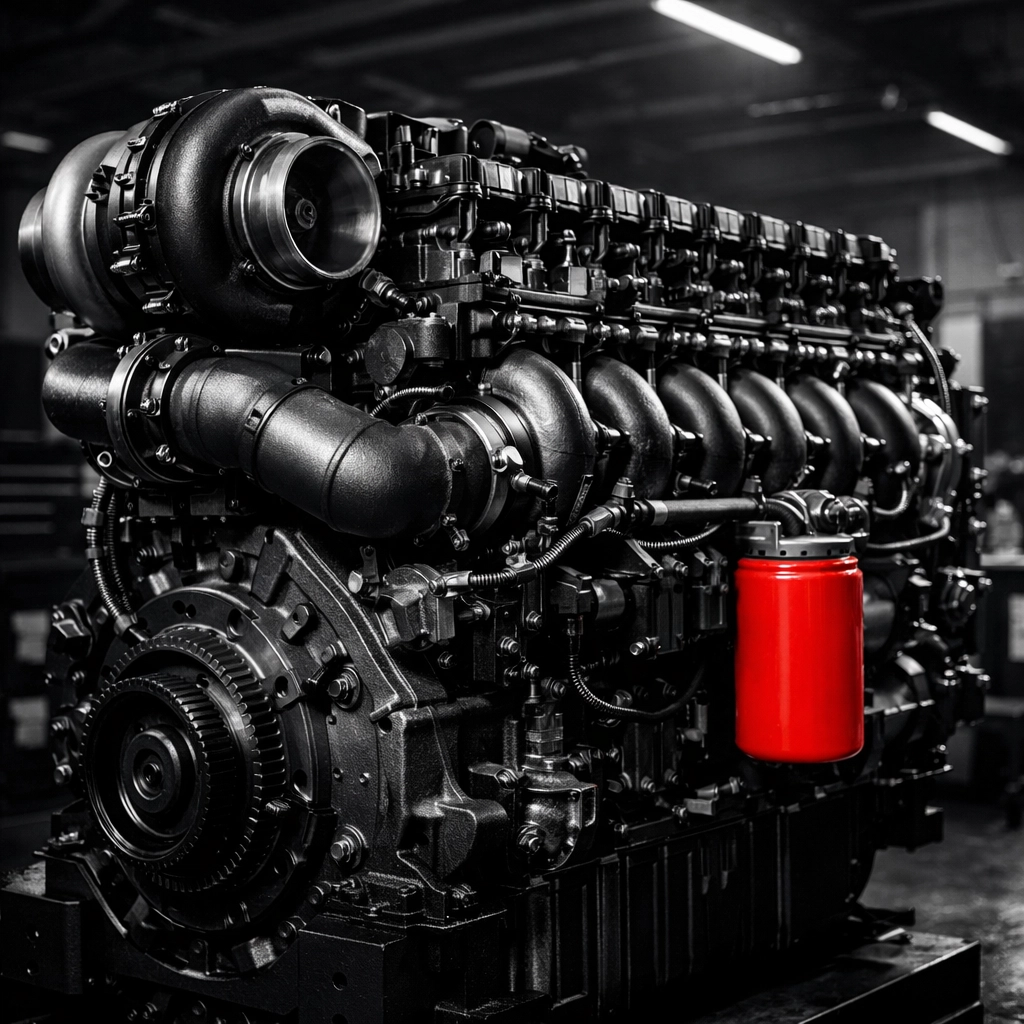
Missing an oil change or ignoring a scheduled diagnostics and inspection service might save you a few hours today, but it invites a catastrophic engine failure tomorrow. Seasonal changes in Northern California are brutal: summer heat stresses cooling systems to the breaking point, while winter dampness wreaks havoc on electrical connections.
The Fix: Treat your PM schedule like a sacred text. Implement routine engine diagnostics and monitor oil levels religiously. If you wouldn’t let a top athlete skip training, don’t let your trucks skip the shop.
2. Flying Blind: Poor Record-Keeping and Data Gaps
We’ve seen it time and again: fleet managers relying on “gut feeling” or a stack of crumpled receipts in a glovebox. Without a clear paper trail, you have no idea what your cost-per-mile is, and you certainly won’t know when a specific part is reaching the end of its life cycle.
Inconsistent logs make it impossible to spot recurring issues across your fleet. If three of your trucks are having the same brake and suspension issues, you need to know now, not when the fourth one fails on the Grapevine.
The Fix: Transition to digital maintenance tracking. Modern fleet software allows you to log every bolt tightened and every quart of oil added. This data is your best weapon when it comes time for a Clean Truck Check, proving your commitment to vehicle health.
3. Treating Drivers Like Steering Wheel Holders
Your drivers are your first line of defense. They feel the vibrations in the seat, hear the high-pitched squeal of a failing belt, and notice when the engine and transmission don’t feel quite right. When communication breaks down, these “early warning signs” are ignored until the truck is being towed.
The Fix: Foster a culture where drivers are encouraged to report even the smallest “phantom” noise. Establish a clear channel for them to escalate issues. When a driver tells you something feels “off,” believe them: they know that machine better than anyone.
4. The “Wait for the Kaboom” Strategy: Reactive Maintenance
Waiting for something to break before fixing it is like waiting for your house to catch fire before buying a fire extinguisher. It’s expensive, disruptive, and: in the eyes of CARB (California Air Resources Board): totally unacceptable. Reactive maintenance leads to unplanned downtime, missed deadlines, and a massive hit to your reputation.
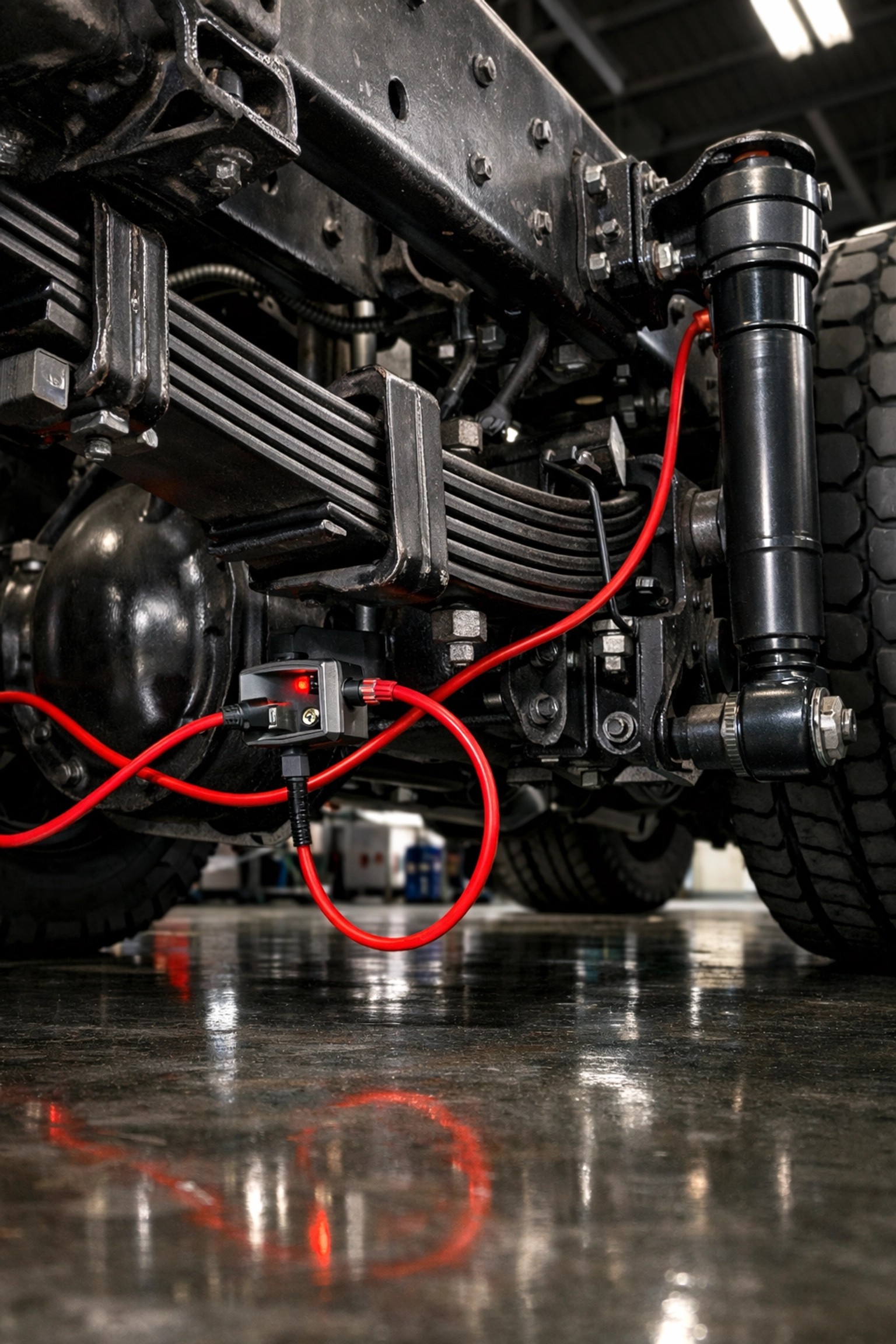
The Fix: Adopt a proactive stance. Use telematics and regular electrical and battery services to catch voltage drops or sensor errors before they trigger a limp-mode event. Proactive maintenance keeps the “prized machine” protected from the relentless wear and tear of the road.
5. The “Pencil-Whipping” Inspection
The 30-second pre-trip walkaround is a lie. When drivers or mechanics rush through inspections with a “checkbox mentality,” they miss the fluid leaks, the slightly frayed exhaust hangers, and the worn-down tire treads. These small oversights are exactly what DOT officers and Clean Truck Check inspectors look for.
The Fix: Build actual time into the workday for thorough inspections. Give your team 15 minutes of dedicated time to look under the hood and crawl under the chassis. A digital checklist that requires photos or specific measurements can help eliminate the “pencil-whipping” habit.
6. The Parts Inventory Seesaw
Some shops have enough parts to rebuild the entire fleet twice over: tying up thousands in capital: while others can’t find a single oil filter when they need it. Both extremes hurt your bottom line.
The Fix: Find the “Goldilocks” zone of inventory. Keep the high-turnover essentials (filters, belts, sensors) in stock, but build a relationship with a local partner like Grumpy’s for the specialized components. This keeps your cash flow healthy while ensuring your trucks aren’t sitting on stands for a week waiting for a part.
7. Neglecting the “Curb Appeal”: The Dirty Truck Syndrome
Beyond the mechanics, a dirty truck is a sign of a neglected fleet. Road grime, salt, and chemicals are slow poisons that eat away at your chassis and electrical harnesses. Furthermore, a filthy truck is a magnet for inspectors. If the outside looks like a mess, they assume the engine is, too.
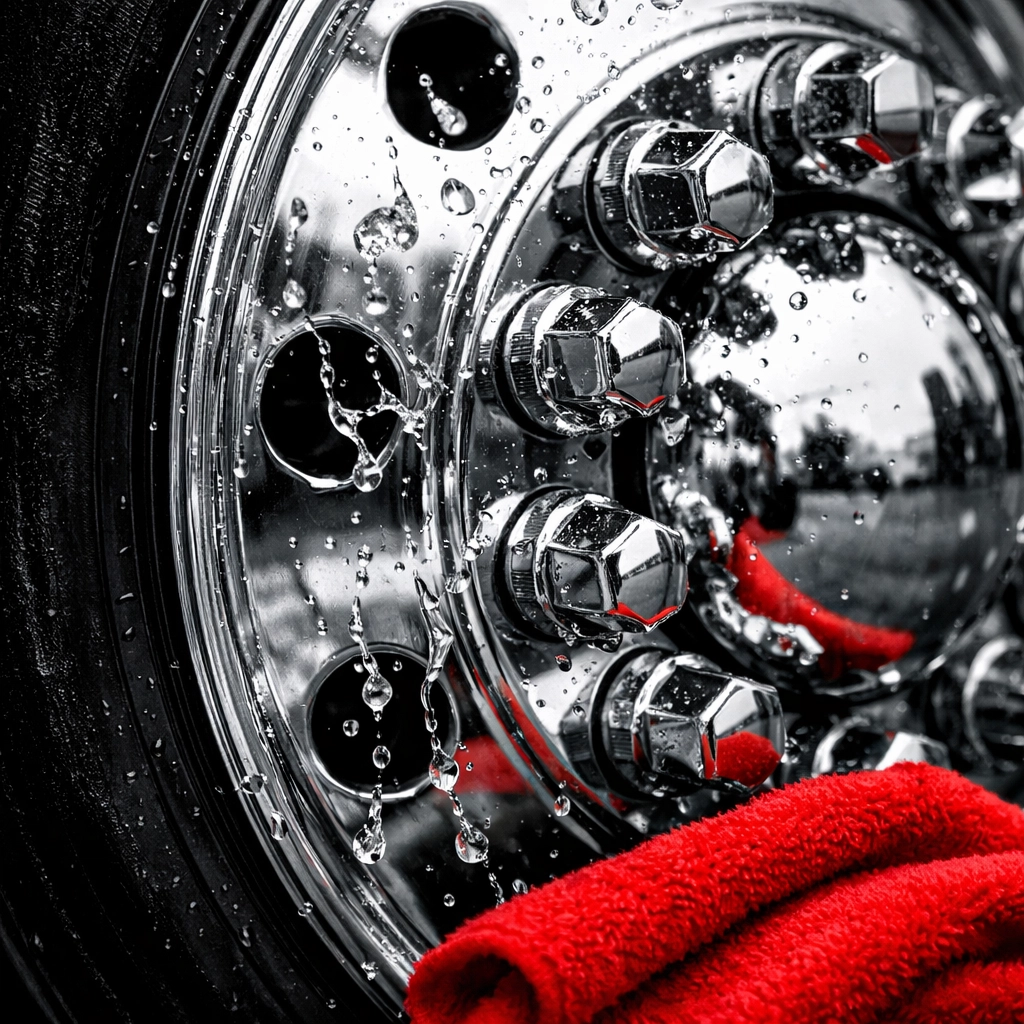
The Fix: Regular exterior cleaning isn’t just about vanity; it’s about longevity. Use high-quality products like Grumpy Juice or our High Performance APC to keep the grime at bay. A clean truck projects professionalism and keeps those delicate sensors clear of debris.
How to Master Clean Truck Check Compliance
Now, let’s talk about the elephant in the room: the California Clean Truck Check (HD I/M). This isn’t just another smog check; it’s a rigorous program designed to ensure that heavy-duty vehicles operating in California are staying within emissions limits.
If your fleet isn’t compliant, you face stiff fines and the very real possibility of having your registration blocked. The state is moving toward a system where non-compliant trucks simply aren’t allowed on the road.
What You Need to Know:
- Who it affects: Nearly all non-gasoline combustion trucks over 14,000 lbs GVWR.
- The Requirement: You must register your fleet in the CTC database and perform periodic testing (twice a year for most).
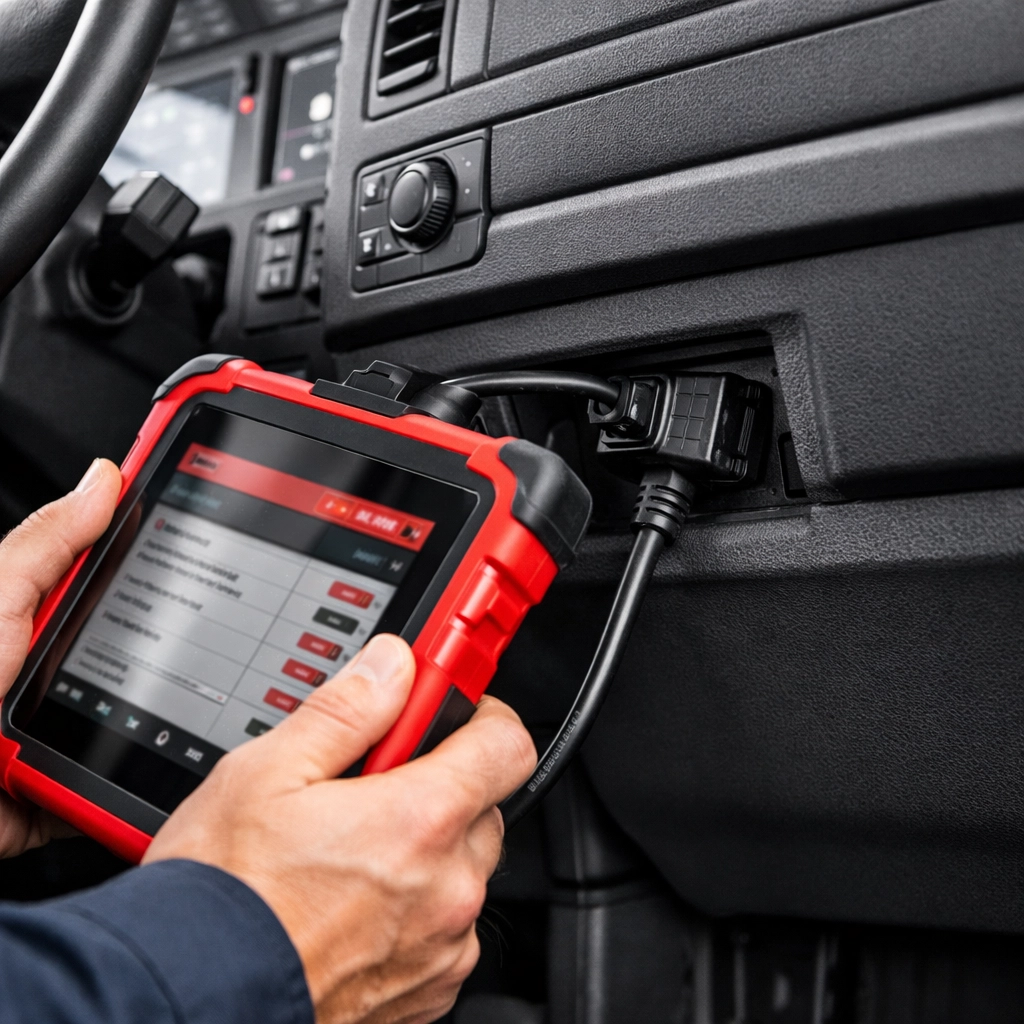
- The Test: It involves an OBD (On-Board Diagnostics) data submission or a smoke opacity test for older rigs.
At Grumpy’s, we’ve leaned into this challenge. We aren’t just mechanics; we are your partners in compliance. Our Clean Truck Check services are designed to take the weight off your shoulders. We handle the testing, the data submission, and: if your truck isn’t quite up to snuff: the repairs needed to get it there.
Whether it’s a faulty DPF (Diesel Particulate Filter) or a nagging “Check Engine” light that’s preventing a pass, we have the “shop talk” expertise and the advanced tools to fix it right the first time. We treat your fleet like the “top athletes” they are, ensuring they are lean, mean, and perfectly compliant.
Don’t Tackle the Road Alone
Managing a fleet in Yuba City is a heavy lift, but you don’t have to do it by yourself. Avoid these seven mistakes, stay on top of your Clean Truck Check requirements, and you’ll find that your business runs smoother than a freshly tuned big block.
From tire and wheel services to deep-dive engine rebuilds, the team at Grumpy’s Hot Rod & Auto Repair is here to help. We are more than just a repair shop; we are a part of this community, and we want to see your business thrive.
Ready to get your fleet back in peak condition? Come by the shop, check out our about us page to see what we’re all about, or browse our online shop for the best maintenance products in the business. Let’s keep those “rolling works of art” on the road where they belong.
Related Posts
Tires Wearing Unevenly? 5 Reasons It Isn’t Just Your Alignment
You check your tires and spot a bald strip along one edge, or notice one tire is wearing out months before the others. That’s frustrating, especially when you’re facing the cost of replacement tires sooner than expected. Alignment can cause…

Battery vs. Alternator vs. Starter: Which One Is Killing Your Morning Commute?
You’re ready to leave, but your car answers with a click, a slow groan, or nothing at all. A no-start is frustrating, and it can be expensive if you replace the wrong part. The battery, alternator, and starter all play…

7 Warning Signs Your Brakes Are About to Fail (and the Real Cost of Waiting)
Your brakes are the one system you cannot afford to ignore. You can postpone a cosmetic repair or drive a little longer before scheduling a maintenance item, but braking problems are different. Every commute, school run, grocery trip, and stop-and-go…