


7 Warning Signs Your Brakes Are About to Fail (and the Real Cost of Waiting)
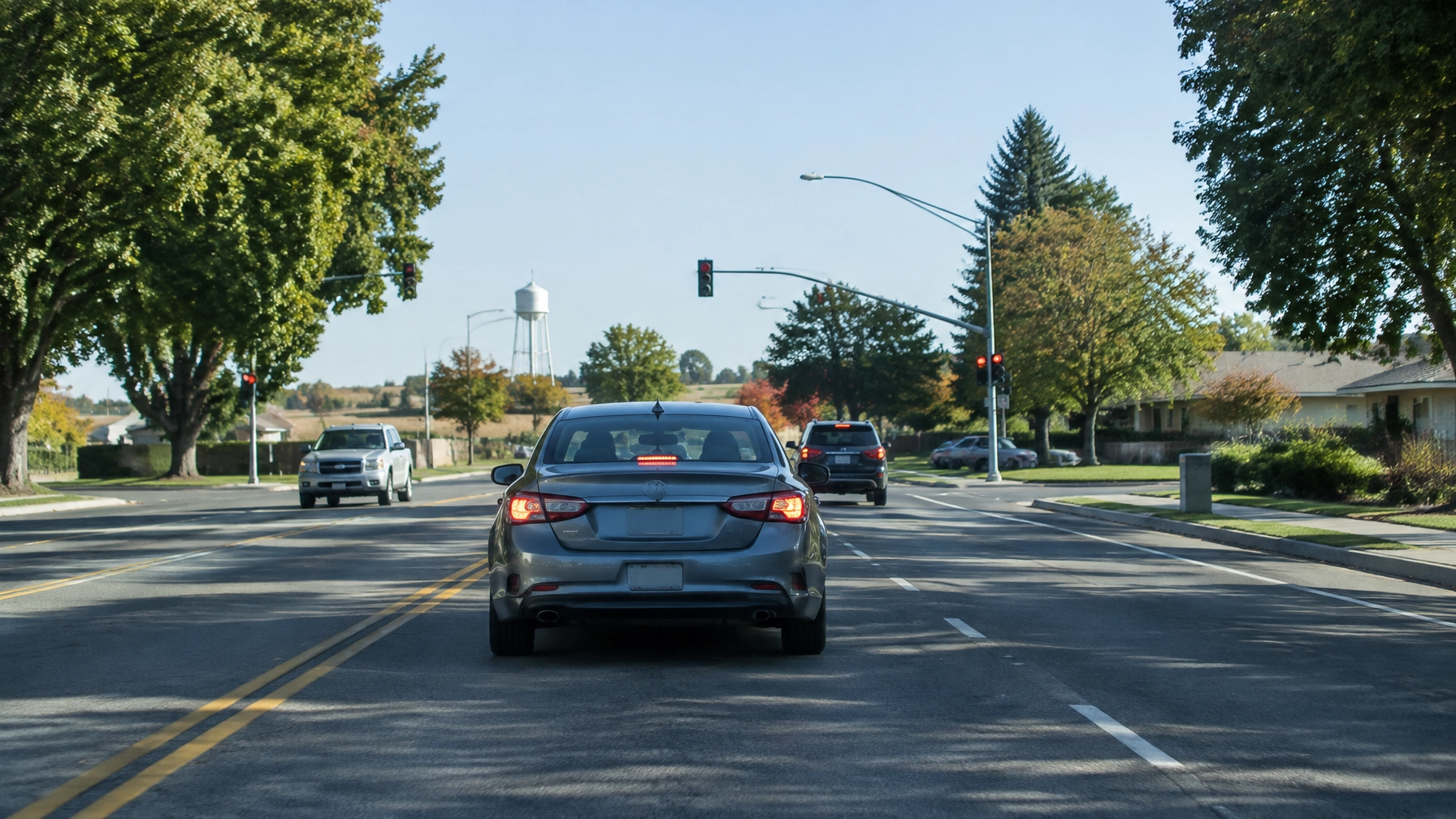
Your brakes are the one system you cannot afford to ignore. You can postpone a cosmetic repair or drive a little longer before scheduling a maintenance item, but braking problems are different. Every commute, school run, grocery trip, and stop-and-go drive on Highway 99 or State Route 20 depends on your brakes working properly.
The good news is that most brake problems give you warning before they become an emergency. Paying attention early can also save you money. A repair that starts as a roughly $150–$300 brake pad job can become a $400–$600 pad-and-rotor repair. If heat and wear continue, you could be looking at $800–$1,200 or more for calipers, brake lines, or related hydraulic work.
These are general cost ranges, not a quote. The exact price depends on your vehicle, the parts required, and whether the repair is needed on one axle or both. Still, the pattern is consistent: acting early is usually safer and less expensive.
If you notice any of the following signs, schedule a professional inspection with a trusted auto repair shop in Yuba City before a small problem grows.
1. Your brakes squeal or screech
A high-pitched squeal when you press the brake pedal is often the first sign that your brake pads are getting thin. Many pads have a small metal wear indicator designed to make noise when the remaining friction material is low.
Squealing does not always mean your brakes are in immediate danger. Dust, moisture, and normal pad vibration can also create noise. But if the sound is new, frequent, or becoming louder, it deserves attention.
What it may mean
- Brake pads are nearing the end of their usable life
- The pads are glazed or contaminated
- Hardware is vibrating against the pad or caliper
- The brake system needs cleaning, adjustment, or inspection
The cost of acting now versus waiting
Addressing the problem early may mean replacing the pads for approximately $150–$300, depending on the vehicle and axle.
Waiting until the pads wear through can allow the metal backing plate to damage the rotors. That can turn the same repair into approximately $400–$600 for pads and rotors. A short appointment now may prevent a much larger bill later.
2. You hear grinding or metal-on-metal scraping
Grinding is more serious than squealing. It often means the friction material has worn away and the metal backing plate is contacting the rotor.
Once that happens, braking performance can change quickly. Metal-on-metal contact also creates heat and can damage the rotor surface, caliper, and other parts of the wheel-end assembly.
What it may mean
- The brake pads are completely worn
- The rotor is being gouged or overheated
- A caliper may be sticking or failing
- The vehicle may have been driven too long after the first warning
The cost of acting now versus waiting
If you stop driving and have the brakes inspected as soon as grinding begins, you may limit the repair to pads and rotors. That commonly falls in the $400–$600 range for an everyday vehicle, depending on the application.
Continuing to drive can add a damaged caliper, brake hose, or other components. The total may climb toward $800–$1,200 or more, especially if the affected parts have overheated. More importantly, grinding is not a noise to “see how it goes.” Arrange an inspection promptly and avoid unnecessary driving.
3. The steering wheel shakes or the brake pedal pulses
If the steering wheel vibrates when you brake, or the pedal pushes back against your foot in a rhythmic way, the rotors may have uneven thickness or heat-related surface problems.
This is especially noticeable during repeated stops in traffic. You might feel it while slowing from freeway speeds or approaching a busy intersection near Yuba City or Marysville.
What it may mean
- Rotors are unevenly worn or heat-damaged
- Brake pads are wearing inconsistently
- A caliper is not applying or releasing evenly
- Suspension or wheel issues may be contributing
A brake inspection can help separate a brake problem from a tire, wheel, or suspension problem. The vibration should not be dismissed as a normal characteristic of an older car.
The cost of acting now versus waiting
A timely repair may involve replacing the affected pads and rotors, often around $400–$600 for the axle.
Waiting can cause the pads to wear unevenly and place extra stress on the caliper. If the caliper begins sticking or overheating, the bill can move into the $800–$1,200 range. Uneven braking can also affect tire wear and vehicle control.
4. The brake pedal feels soft, spongy, or lower than usual
A firm brake pedal should feel predictable. If it feels mushy, sinks farther toward the floor, or slowly drops while you hold pressure at a stoplight, treat it as an important warning.
A soft pedal can indicate air or moisture in the hydraulic system, a brake fluid leak, a failing master cylinder, or another issue that needs diagnosis.
What it may mean
- Air has entered the brake lines
- Brake fluid is low or leaking
- The system needs a brake fluid flush and proper bleeding
- A master cylinder or hydraulic component is failing
This is one sign where cost should not be your only consideration. A hydraulic problem can reduce braking ability without making much noise.
The cost of acting now versus waiting
If the issue is old or contaminated fluid, a professional brake fluid flush may cost approximately $120–$180, depending on the vehicle and service required. If air has entered the system, bleeding and repairing a small issue may still be relatively manageable.
Waiting can allow a leak to worsen or a master cylinder to fail. Hydraulic repairs can add several hundred dollars, and a larger repair may reach or exceed the $800–$1,200 range. If the pedal feels unsafe, do not continue normal driving. Have the vehicle inspected or arrange a tow.
5. The vehicle pulls left or right when you brake
Your vehicle should slow down in a straight, controlled line. If it pulls noticeably to one side whenever you press the brake pedal, the braking force may not be balanced between the wheels.
A slight drift on a crowned road is different from a clear pull that happens specifically during braking. The latter should be checked.
What it may mean
- One brake caliper is sticking
- Pads are wearing unevenly
- A brake hose is restricted or damaged
- A rotor or other brake component has a problem
- A wheel alignment or suspension issue is contributing
Pulling can be especially uncomfortable in stop-and-go traffic, where you are constantly making small steering corrections around other vehicles.
The cost of acting now versus waiting
If the problem is caught early, the repair may involve pads, cleaning, or a minor hydraulic service. If a caliper is sticking, replacing one caliper and servicing the brakes may cost roughly $300–$800, depending on the vehicle.
Waiting can overheat the rotor, wear the pads unevenly, damage the brake hose, and create a second brake problem on the same corner. In that situation, total repairs can climb toward $800–$1,200 or more.
6. You smell something burning after braking
A sharp, hot, or chemical smell after a normal drive is not something to ignore. You may notice it after a long downhill stretch, repeated stops, or even a short trip if one brake is dragging.
What it may mean
- A caliper is sticking and keeping the pad against the rotor
- The brakes are overheating
- A brake pad or rotor is severely worn
- Brake fluid is leaking onto a hot component
- A parking brake is not releasing fully
If you see smoke, notice a wheel is unusually hot, or the vehicle is difficult to move, pull over safely and shut it off. Do not touch the wheel or brake components; they may be hot enough to cause burns.
The cost of acting now versus waiting
An inspection may reveal a serviceable brake that needs adjustment or a component that needs replacement. The sooner the source is found, the better the chance of limiting damage.
Continuing to drive with an overheated brake can ruin pads and rotors and may damage the caliper or brake hose. What began as a smaller repair can become an $800–$1,200 brake and hydraulic job, along with a serious safety risk.
7. The brake warning light comes on or the fluid level is low
A red brake warning light, ABS light, or other brake-system alert deserves attention. So does a brake fluid reservoir that is lower than it should be.
Low fluid can sometimes result from normal pad wear, but it can also indicate a leak. Topping off the reservoir without finding the reason for the low level only hides the symptom.
What it may mean
- Brake pads are worn
- Brake fluid is leaking
- The parking brake is engaged or needs adjustment
- The ABS has detected a fault
- The master cylinder, caliper, or brake line needs attention
Check your owner’s manual for the meaning of the dashboard light, but do not assume the vehicle is safe simply because it still stops.
The cost of acting now versus waiting
An inspection may reveal worn pads, which could be a $150–$300 repair if the rotors are still in good condition. A brake fluid flush may fall around $120–$180 when no major component has failed.
Waiting can turn a low-fluid warning into air in the lines, damaged hydraulic components, or a master-cylinder problem. Brake line and caliper repairs can push the cost toward $800–$1,200 or more, depending on the vehicle and extent of the leak.
The real cost of waiting is more than the repair bill
Brake repairs do not always follow a neat schedule, but the common progression looks like this:
- Early warning: brake inspection, pad replacement, or fluid service
- Moderate wear: pads and rotors
- Advanced wear or overheating: calipers, hoses, and additional parts
- Hydraulic failure: brake lines, master cylinder, bleeding, and fluid service
That is why a $150–$300 pad job can become a $400–$600 rotor job, then grow into an $800–$1,200 repair. The vehicle may also become harder to control, take longer to stop, or lose braking ability.
A brake inspection is often the most cost-effective step. A technician can measure pad thickness, inspect rotor condition, check for leaks, test caliper operation, and evaluate the fluid. It is also smart to ask about brake condition during routine maintenance or tire rotations, especially if your daily driving involves heavy stop-and-go traffic.

Schedule brake repair in Yuba City before the problem grows
Your daily driver should get you through work, school, errands, and the drive home with confidence. If you hear squealing, feel a pulsing pedal, notice a pull, smell burning, or see a warning light, do not wait for the problem to become obvious at the worst possible moment.
Grumpy’s Hot Rod & Auto Repair provides brake inspections and repair for everyday cars, trucks, and SUVs in Yuba City and nearby communities. Our team can help identify what needs attention now, explain what can safely wait, and provide a straightforward repair recommendation.
Contact Grumpy’s Hot Rod & Auto Repair to schedule a brake inspection or brake repair in Yuba City. You can also learn more about our shop and approach before bringing your vehicle in.
Related Posts
Your Check Engine Light Is Blinking: Here’s What to Do in the Next 10 Minutes
You’re driving through Yuba City, heading down Highway 99, crossing town on State Route 20, or simply making the daily commute when the check engine light starts blinking. That is not the same as a steady check engine light. A…

How to Choose the Best Cooling Upgrades: Electric Fans vs. High-Flow Radiators for Yuba City Summers
If you own a classic car or hot rod in Yuba City, you already know that summer driving can be hard on an older cooling system. A short cruise through town can turn into a long wait at a stoplight,…
Engine Problems You Shouldn’t Ignore: When to Bring Your Car in for Engine Repair in Yuba City
We’ve all been there. You’re driving down Highway 99, maybe heading toward the Sutter Buttes for a weekend hike or just commuting to work, when you notice something isn't quite right. Maybe there’s a slight hesitation when you hit the…